
05air quality
Indoor air quality
UV lights, UV-carbon cells and media air cleaners that capture up to 97% of airborne particles passing through your ducts.
Same-day service · 1-year parts warranty · Lic. #1055791
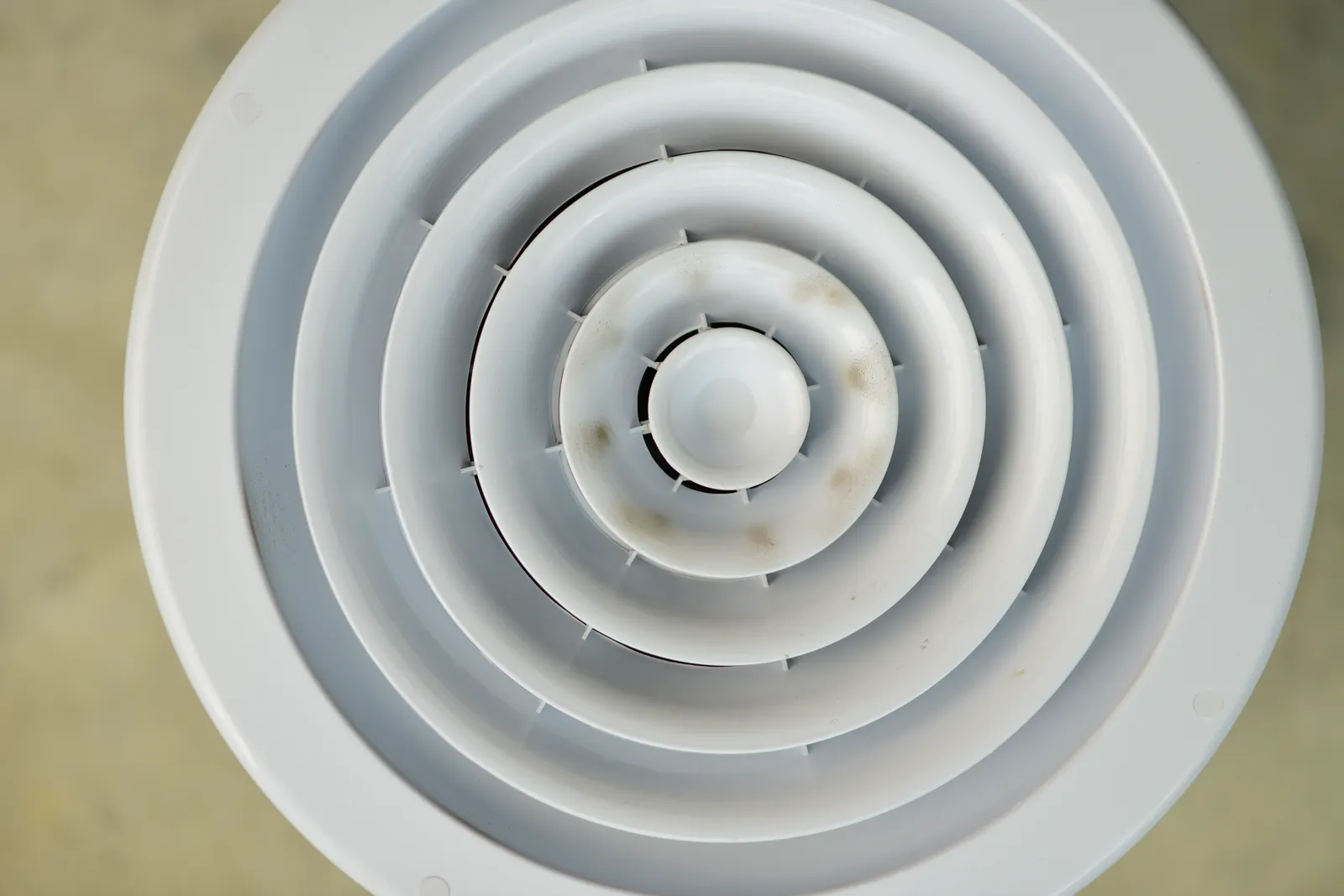
Cleaner air, through the system you already have
Your heating and cooling system moves all the air in the house through one place, over and over, every day. That makes it the most effective spot to clean the air — far more of it passes through a filter in the return than through a small portable unit in one room.
We fit media air cleaners, UV lights and UV-carbon cells to existing systems for homes in Santa Clarita, Valencia, Newhall, Simi Valley and the north San Fernando Valley. The aim is practical: less dust on surfaces, fewer allergy triggers indoors, a cleaner indoor coil and better air when smoke rolls in during fire season.
Good filtration only works if the system can still breathe. We check airflow and the return side so a better filter doesn’t end up restricting the equipment it is meant to protect.
What we work on
- Media air cleaners
- UV lights for the coil and air handler
- UV-carbon cells
- Filter upgrades and housings
- Airflow checks after installation
- Advice on filter changes
01When to call
Signs your indoor air needs attention
Allergies feel worse indoors than out
If symptoms ease when you leave the house, dust, pollen, pet dander or mold particles may be circulating through the system.
Dust settles again soon after cleaning
A filter that is too basic, gaps around it or leaky returns let fine dust pass straight through and back into the rooms.
Musty smells when the system starts
The indoor coil and drain pan stay damp during cooling, and mold or bacteria can grow there and send smells through the vents.
Smoke smell lingers after fire season
Fine smoke particles get into the house even with windows shut, and odors can stay in the system and furnishings.
Pets in the house
Hair and dander load filters quickly and spread through the ducts, especially in homes with several animals.
Someone at home has asthma or allergies
Better filtration of the air moving through the system is a practical step that works in every room the system reaches.
Filters look dark within weeks
If a new filter turns grey fast, a lot of airborne dust is moving through the house — and through the equipment.
02Before you call
Safe checks you can do first.
- Check the filter. Note its size and type, how dirty it is and how long it has been in.
- Look for gaps. A filter that doesn’t fit snugly lets air bypass it — check the slot or grille for gaps around the edges.
- Clear the returns. Return grilles blocked by furniture or loaded with dust reduce how much air gets filtered.
- Keep windows closed on smoky or windy days. Run the system’s fan to keep air moving through the filter while outdoor air is poor.
03What we look at
What we look at before fitting air-quality equipment
- 01
The current filter set-up
Filter size, type and fit, and whether the slot or grille lets air slip around it.
- 02
Airflow and static pressure
How easily air moves through the system now, which tells us how much filtration it can take without being restricted.
- 03
The indoor coil and drain pan
Signs of mold, biofilm or debris on the coil and in the pan, which affect both air quality and performance.
- 04
Return ducts
Whether the returns are sealed, so the air being filtered is house air and not dusty air pulled from the attic or walls.
- 05
Where equipment can go
Space and access for a media cabinet or UV lamp, and easy access for future filter and lamp changes.
- 06
How the house is used
Pets, allergies, smoking, nearby construction or open land — the things that decide which solution makes sense.
04Local conditions
Indoor air in the Santa Clarita Valley: dust, pollen and smoke
The Santa Ana winds that blow through the valley in fall and winter carry fine dust that finds its way indoors through doors, windows and leaky returns. Spring brings pollen from the hills and open land around Canyon Country, Castaic and the edges of Simi Valley.
Wildfire smoke is the biggest local concern. Even when a fire is miles away, fine smoke particles reach the valley and seep into houses. Keeping windows shut and running the system fan through good filtration helps reduce what you breathe indoors during those days.
Summer smog can settle over the inland valleys on hot, still afternoons. Filtration in the system can’t change the outdoor air, but it can make the air inside cleaner, in every room the ducts reach.
05How it works
From call to comfort.
- 01
Request service
Call (323) 631-8683 or send a short request online — name, phone and what’s happening.
- 02
Diagnosis
We inspect the system on site and explain what we find before recommending any work.
- 03
Price in writing
Every home is priced individually. You get the agreed price in writing before any work begins — no surprises.
- 04
The work
Clean, precise work — and your system back to keeping the house comfortable.
★Customer reviews
What customers say
FAQQuestions
Questions,answered.
Still not sure what’s going on? Call and describe it — we’ll tell you what we’d check first.
(323) 631-8683What MERV rating should my filter be?
MERV is a scale for how well a filter captures particles — the higher the number, the finer the particles it catches, and usually the more it resists airflow. The right rating depends on what your system was designed for. A thin, high-MERV filter can restrict airflow in a system not built for it, while a deeper media filter in its own housing captures fine particles with less restriction. Check what your system can handle before upgrading.
Will an air cleaner help during wildfire smoke?
Good filtration in the system helps reduce the fine particles in smoke that get indoors. Keep windows and doors closed, run the system fan so air keeps passing through the filter, and replace the filter once the smoke has cleared, since it can load up quickly. It won’t make indoor air perfect on the worst days, but it makes a real difference across the whole house.
Do UV lights produce ozone?
UV-C lamps used for coil and air-handler applications are typically ozone-free, and that is what you want for indoor use. Some lamps are designed to produce ozone for odor control, which is a different product and not appropriate for occupied spaces. When choosing UV equipment, check that it is rated as ozone-free.
How do UV lights keep the coil clean?
The indoor coil and drain pan are damp whenever the air conditioner runs, which makes them a good place for mold and bacteria to grow. A UV-C lamp shining on the coil surface keeps that growth from taking hold, which helps prevent musty smells and keeps the coil cleaner so it can transfer heat properly. The lamps lose strength over time and are replaced on the manufacturer’s schedule.
Should I run the HVAC fan on “On” instead of “Auto”?
On “On”, the fan runs constantly and air passes through the filter even when the system isn’t heating or cooling, which can help with dust, pollen and smoke. The trade-offs are more electricity used by the fan and, in cooling mode, moisture on the coil being blown back into the house between cycles. Many people use “On” during smoky or high-pollen days and “Auto” the rest of the time.
What is the difference between an air cleaner and a portable air purifier?
A whole-house air cleaner is built into the heating and cooling system, so it filters the air in every room the ducts reach whenever the fan runs. A portable purifier cleans the air in one room and needs to be sized for that space. Whole-house filtration is generally more effective for the home overall, while a portable unit can add extra cleaning in a bedroom.
RFSService request
Need it looked at?Call or send a request.
- Request
- Diagnosis
- Price in writing
- Repair
Same-day service · $20 off your first repair for new customers · Financing available