
04ductwork
Duct installation & repair
New ductwork installed, and leaking or damaged ducts repaired.
Same-day service · 1-year parts warranty · Lic. #1055791
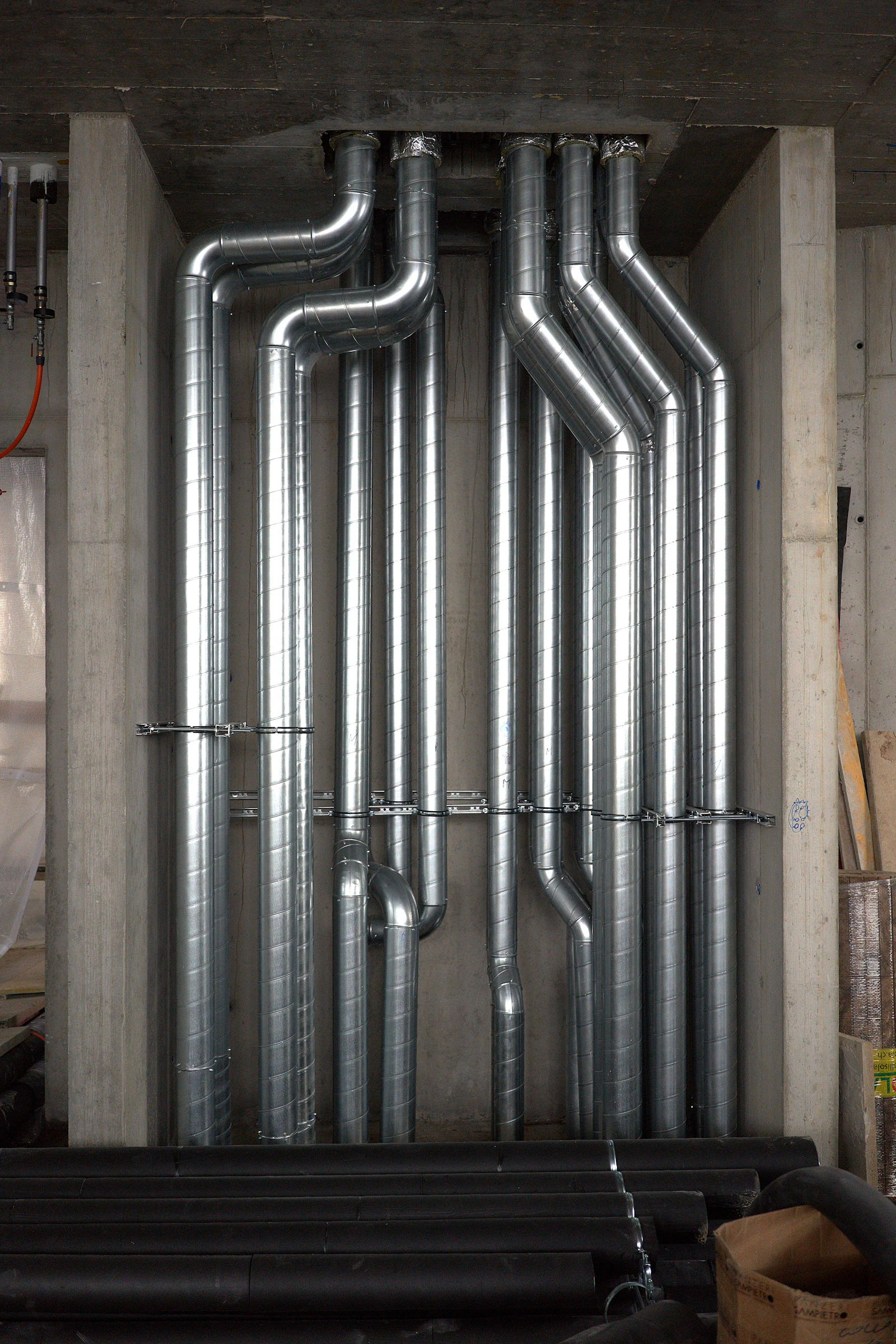
Ducts: the half of the system you never see
Every bit of cool or warm air your system makes travels through the ductwork before it reaches a room. When a run has come apart in the attic, been crushed by storage or a careless repair, or leaks at its joints, the equipment can be working perfectly and the house still won’t feel right.
We repair and install ductwork for homes across Santa Clarita, Valencia, Newhall, Simi Valley and the north San Fernando Valley. That means tracing where the air is actually going, fixing or replacing the sections that are failing, and installing new ducts when a system is being replaced, a room is added or the old layout simply can’t be saved.
As with everything we do, the cause comes first: a weak room can be a duct, a damper, a return that is too small or a blower problem, and we find out which before recommending work.
What we work on
- New duct systems and added runs
- Disconnected or crushed ducts
- Leaking joints and seams
- Damaged insulation on attic ducts
- Registers, grilles and returns
- Ductwork for new or replaced equipment
01When to call
Signs of a duct problem
One room is always hotter or colder
If the system runs fine but one room never catches up, the run feeding it may be disconnected, kinked, undersized or leaking before the air ever arrives.
Weak airflow from some vents
A strong breeze at one register and a trickle at another usually means the air is escaping or being restricted somewhere along the way.
The house gets dusty quickly
Leaky return ducts in an attic or crawl space pull in dusty, unfiltered air and spread it through the house.
Whistling, rattling or banging in the walls or ceiling
Noises can point to loose sections, gaps at joints, undersized ducts or returns that are starving the system for air.
High bills without a change in use
Air that leaks into the attic is air you have paid to heat or cool. The system runs longer to make up for it.
Visible damage in the attic
Torn insulation, flattened flex duct, sagging runs or sections lying loose on the attic floor are all worth fixing before the next hot season.
Musty or dusty smells from the vents
Gaps can draw in air from the attic, crawl space or wall cavities, bringing their smells with it.
02Before you call
Safe checks you can do first.
- Check the registers. Make sure supply vents are open and not blocked by furniture, curtains or rugs.
- Look at the returns. Return grilles should be clear, with the filter in place and clean.
- Compare rooms. Hold a hand to each supply vent with the system running and note which ones feel weak.
- Note what you see. If you can safely look into the attic from the hatch, photos of any loose or flattened ducts help.
03What we look at
What we look at in a duct system
- 01
Connections and joints
Where each run meets the plenum, the boots behind the registers and every joint in between — the places ducts most often separate or leak.
- 02
Duct condition
Crushed, kinked or sagging flex duct, torn outer jackets, damaged insulation and rusted or loose metal sections.
- 03
Sizing and layout
Whether each run is large enough for the room it feeds, and whether long or tangled runs are choking the airflow.
- 04
Return air
Whether there is enough return area for the system to breathe, and whether return ducts are pulling air from places they shouldn’t.
- 05
Airflow at the registers
How much air each room is actually getting compared with the others, which helps pinpoint where a problem is.
- 06
How the ducts fit the equipment
Whether the duct system matches the furnace, air handler or heat pump it serves — especially when equipment has been replaced.
04Local conditions
Duct repair in Santa Clarita’s hot attics
In most Santa Clarita Valley homes the ducts run through the attic, and on a summer afternoon that attic is far hotter than the outside air. A leak or a poorly insulated run there means your cooled air is heated before it reaches the room — and the rooms at the end of the longest runs suffer most.
Older neighborhoods in Newhall and the early tracts of Valencia often have ductwork that has been patched or extended over the years, while newer homes can still have runs that were crushed or disconnected during other work in the attic.
Dust is the other local factor. Santa Ana winds push fine dust into attics, and leaky return ducts pull it straight into the system. Sealing and repairing returns is one of the most direct ways to keep it out of the living space, from Simi Valley to Canyon Country.
05How it works
From call to comfort.
- 01
Request service
Call (323) 631-8683 or send a short request online — name, phone and what’s happening.
- 02
Diagnosis
We inspect the system on site and explain what we find before recommending any work.
- 03
Price in writing
Every home is priced individually. You get the agreed price in writing before any work begins — no surprises.
- 04
The work
Clean, precise work — and your system back to keeping the house comfortable.
★Customer reviews
What customers say
FAQQuestions
Questions,answered.
Still not sure what’s going on? Call and describe it — we’ll tell you what we’d check first.
(323) 631-8683Why is one room always hotter or colder than the rest?
Common causes are a duct to that room that has come loose or is crushed, a run that is too long or too small for the room, a missing or blocked return, or the room’s position — over a garage, with large west-facing windows. Closing vents in other rooms rarely fixes it and can make the system work harder. Measuring airflow at each register and tracing the duct usually shows where the air is going.
Flex duct or sheet metal — which is better?
Both can work well when they are sized and installed correctly. Sheet metal is rigid and durable and keeps its shape, which helps airflow; it usually costs more to install. Flexible duct is easier to route through tight attics, but it loses airflow quickly if it is kinked, crushed, sagging or run much longer than needed. The installation quality matters more than the material.
Why is my house so dusty even after cleaning?
Leaking return ducts are a frequent culprit. Returns run under suction, so any gap pulls in air from the attic, the crawl space or inside the walls, along with dust and insulation fibers, and sends it past the filter into the house. A loose filter or gaps around it do the same. Sealing the return side often makes a noticeable difference to dust levels.
Can bad ductwork damage my heating and cooling equipment?
It can shorten its life. Restricted or undersized ducts make the blower work against high resistance, which can overheat motors and furnaces, freeze air conditioner coils and cause short cycling. Leaky ducts make the system run longer for the same comfort. Fixing the ducts often lets equipment run the way it was designed to.
What is the difference between duct repair and duct replacement?
Repair fixes specific problems: reconnecting a run that has come apart, replacing a crushed section, sealing leaking joints, replacing a damaged boot. Replacement makes sense when the ducts are widely deteriorated, badly undersized, poorly laid out for the house, or when new equipment needs a different system. We look at the whole system before recommending either.
Do return vents really matter?
Yes. The system can only push out as much air as it can pull back in. Too few or too small returns starve the blower, reduce comfort and raise noise — you may hear whistling at the grille or doors slamming when the system starts. Adding or enlarging returns is sometimes the simplest fix for weak airflow.
RFSService request
Need it looked at?Call or send a request.
- Request
- Diagnosis
- Price in writing
- Repair
Same-day service · $20 off your first repair for new customers · Financing available